
What is

Educational Chess?

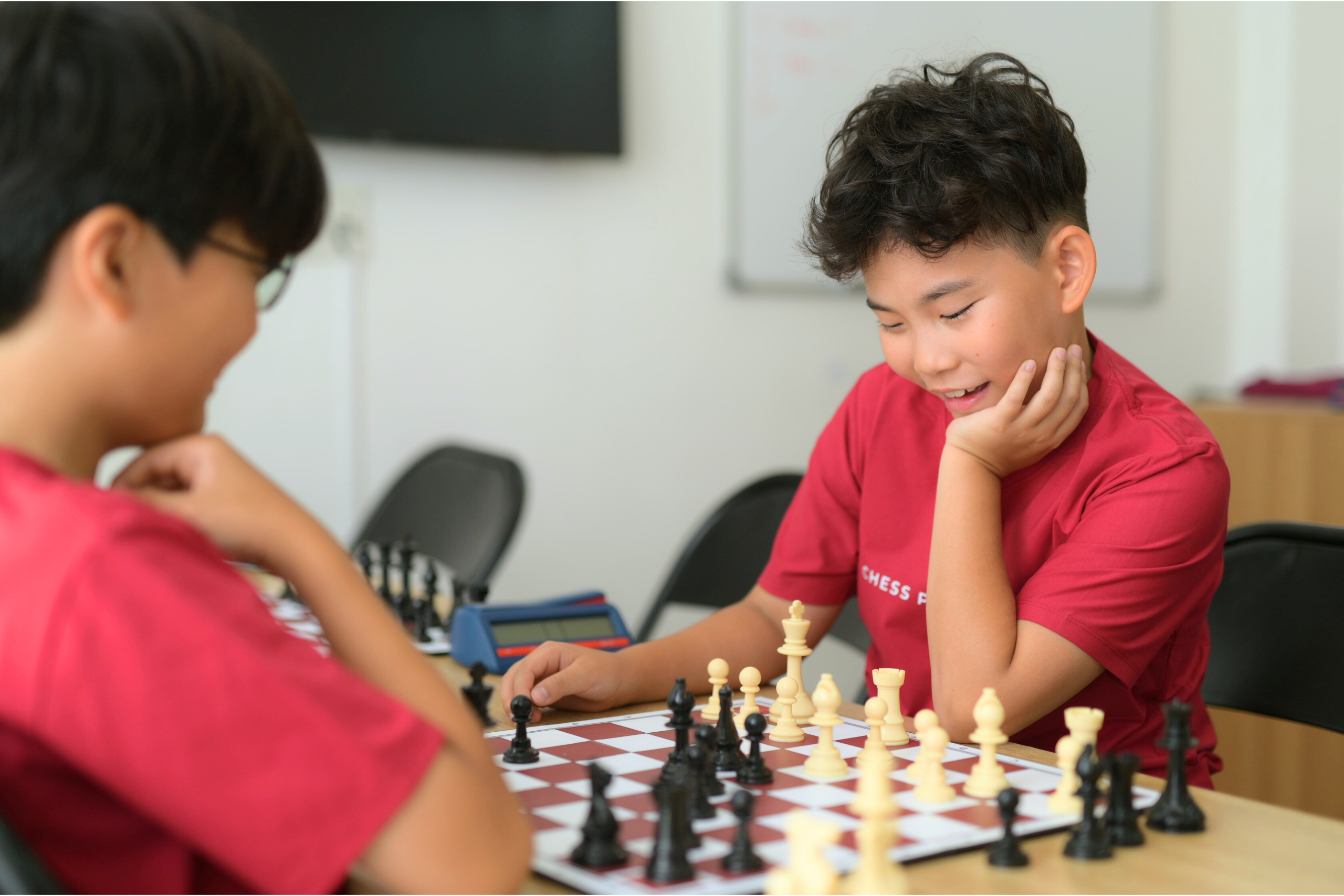
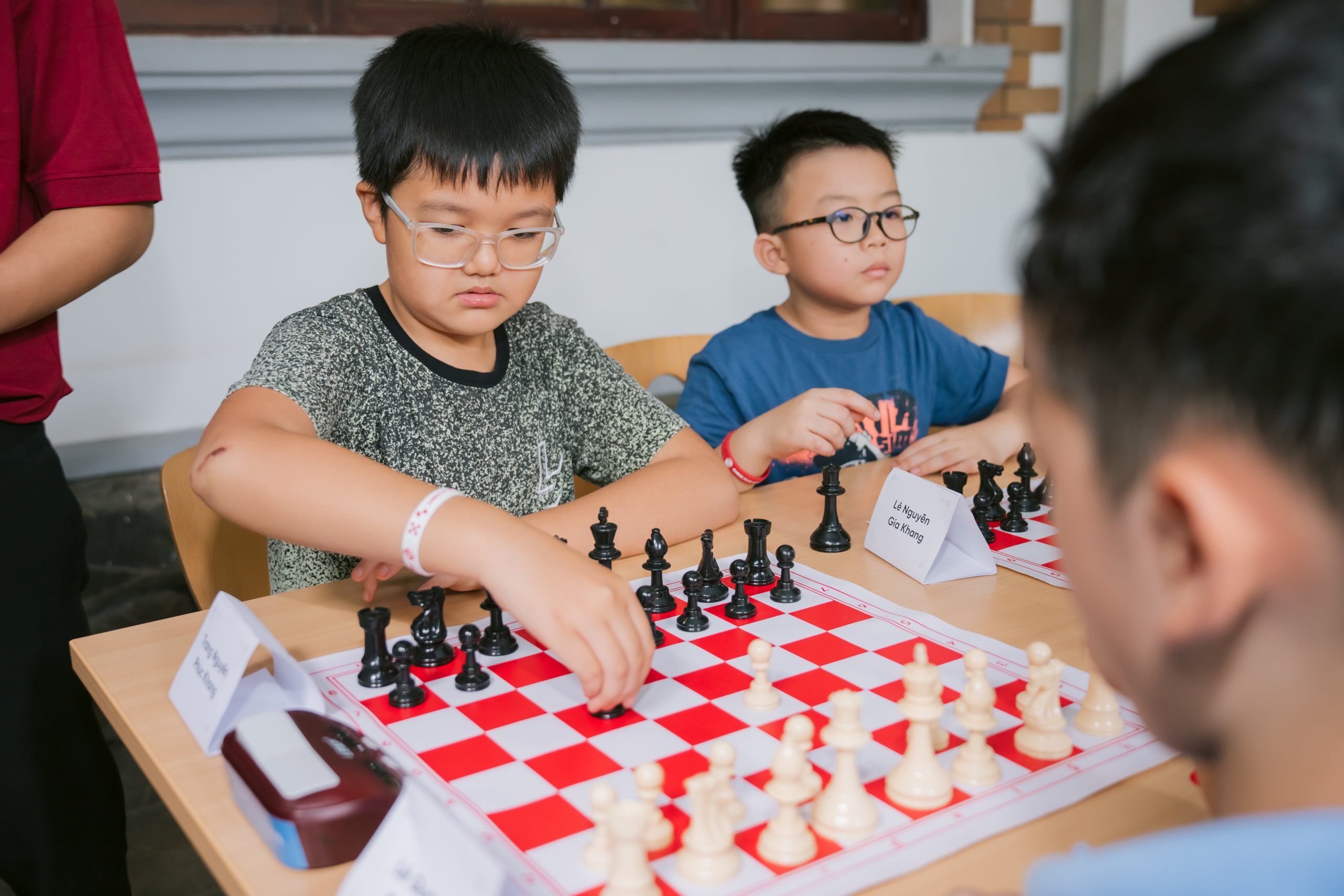
At Chess Plus Academy, we apply the Educational approach in teaching chess to children, focusing on developing both IQ and EQ abilities that benefit their academic journey and future success.

Two ways

to learn chess

Educational chess

15

Competitive chess

14

Learning and development

Winning and performance

Build thinking skills and habits

Improve ranking and results

Process-focused

Outcome-focused

Supportive and
low-pressure

Competitive and
high-pressure

For all players

For serious players

Guided lessons and activities

Intensive practice and drills

Academic performance and future life skills

Competitive mindset
and discipline

Dive into 

educational chess.

Four abilities. Four challenges.

Enhanced Concentration.

Enhanced Concentration.

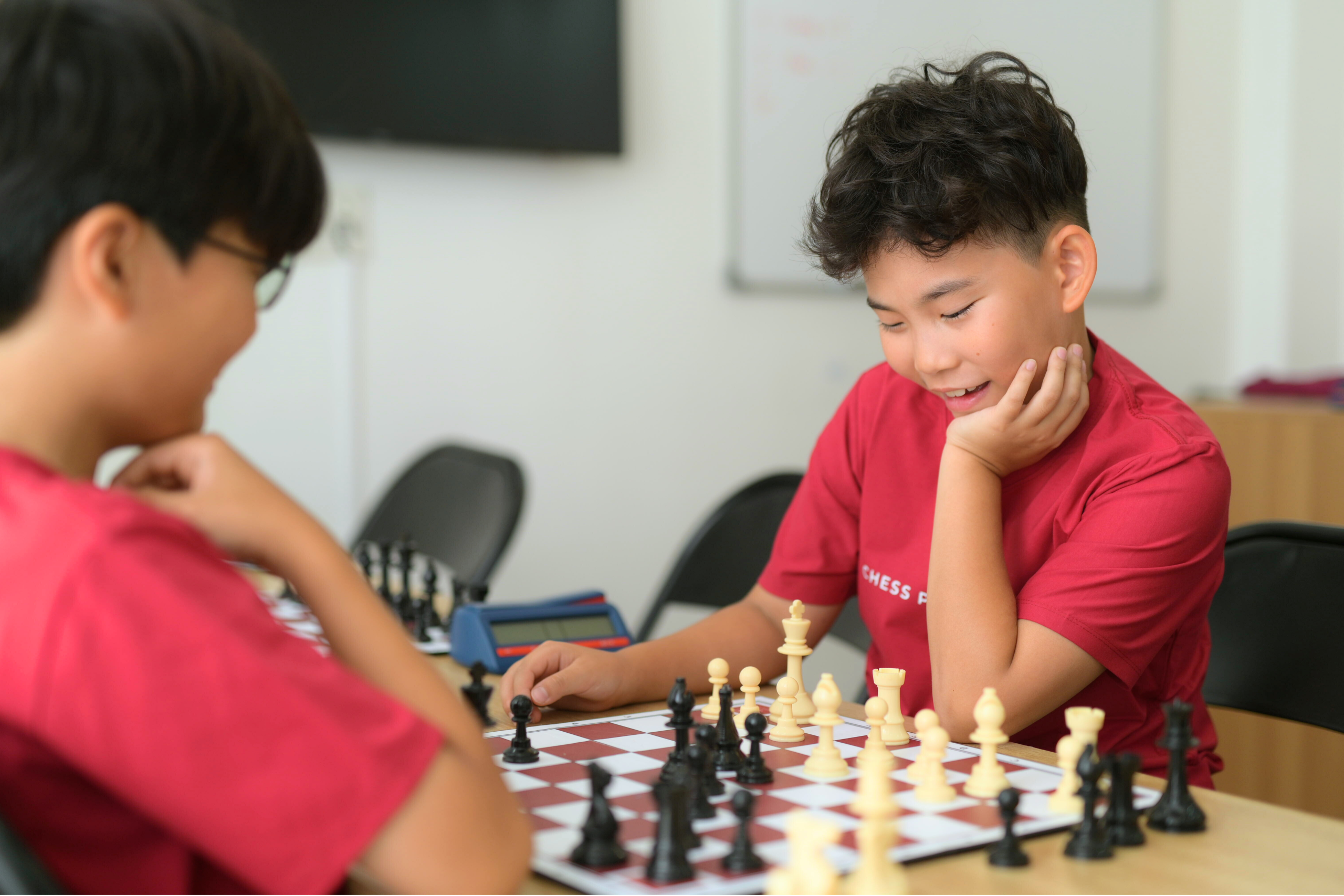
Learning chess helps children to sit still and stay focused during the game. It encourages them to slow down, think carefully, and stay with a task from beginning to end.
Strategic Planning.

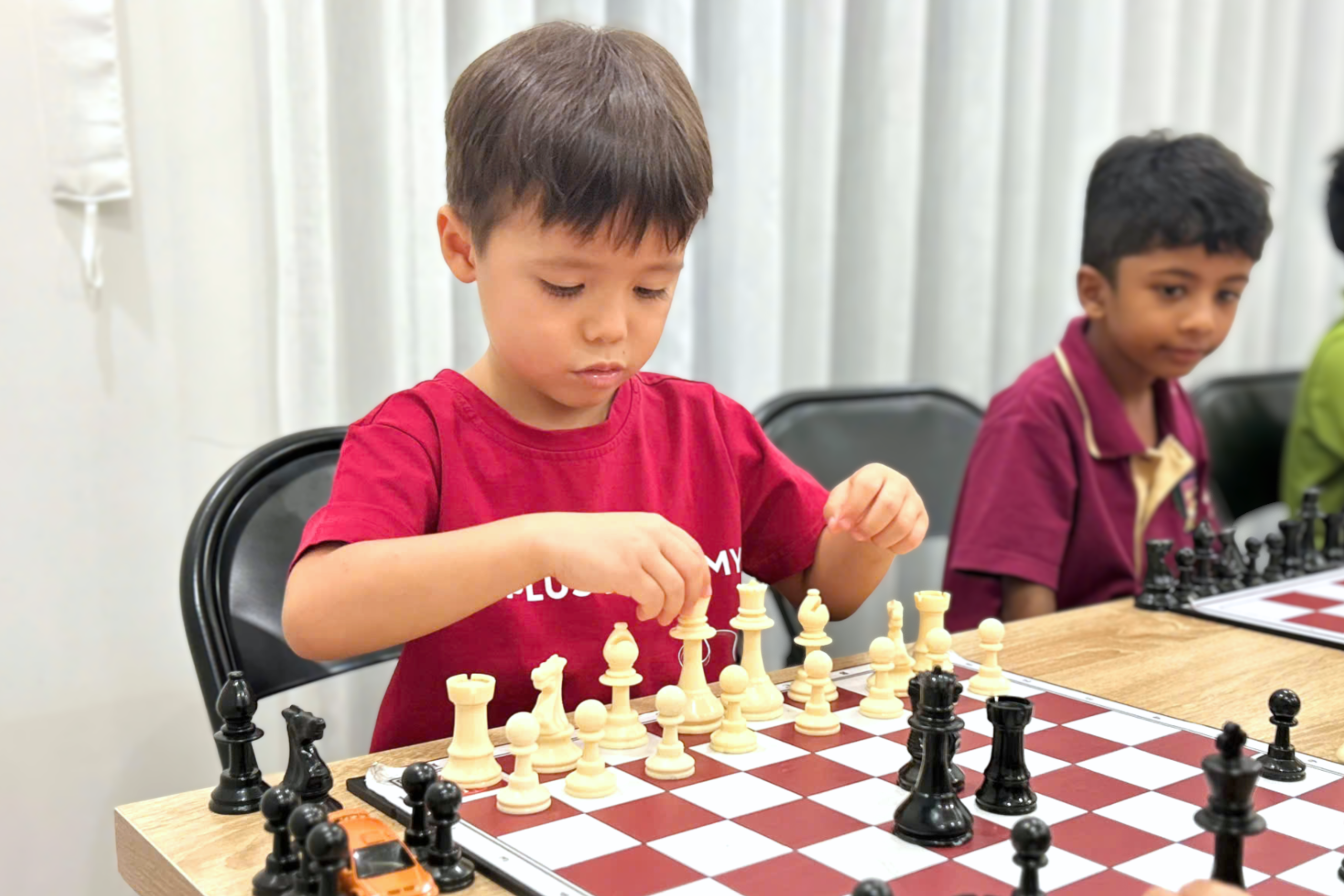
Strategic Planning.

Children learn to observe, think ahead, and evaluate dierent outcomes in chess. Every move becomes a chance to consider consequences and plan smarter strategies.
Respectful Conduct.

Respectful Conduct.

Through simple acts like greeting teachers, following the game rules, and showing kindness to friends, children practice respect both on and off the board.

Emotional Resilience.

Emotional Resilience.

Through wins and losses, children learn to stay calm, try again, and keep improving. Every game helps them become more confident and strong inside.